DOTS
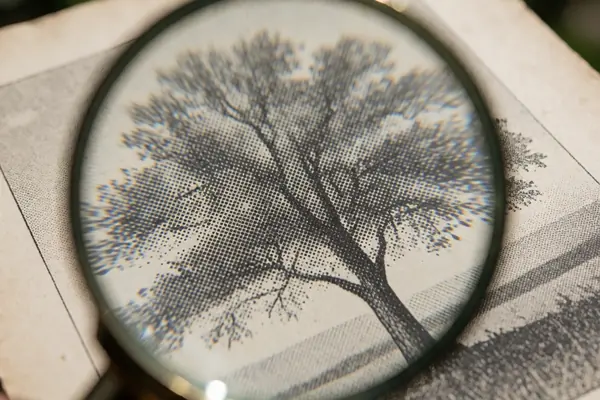
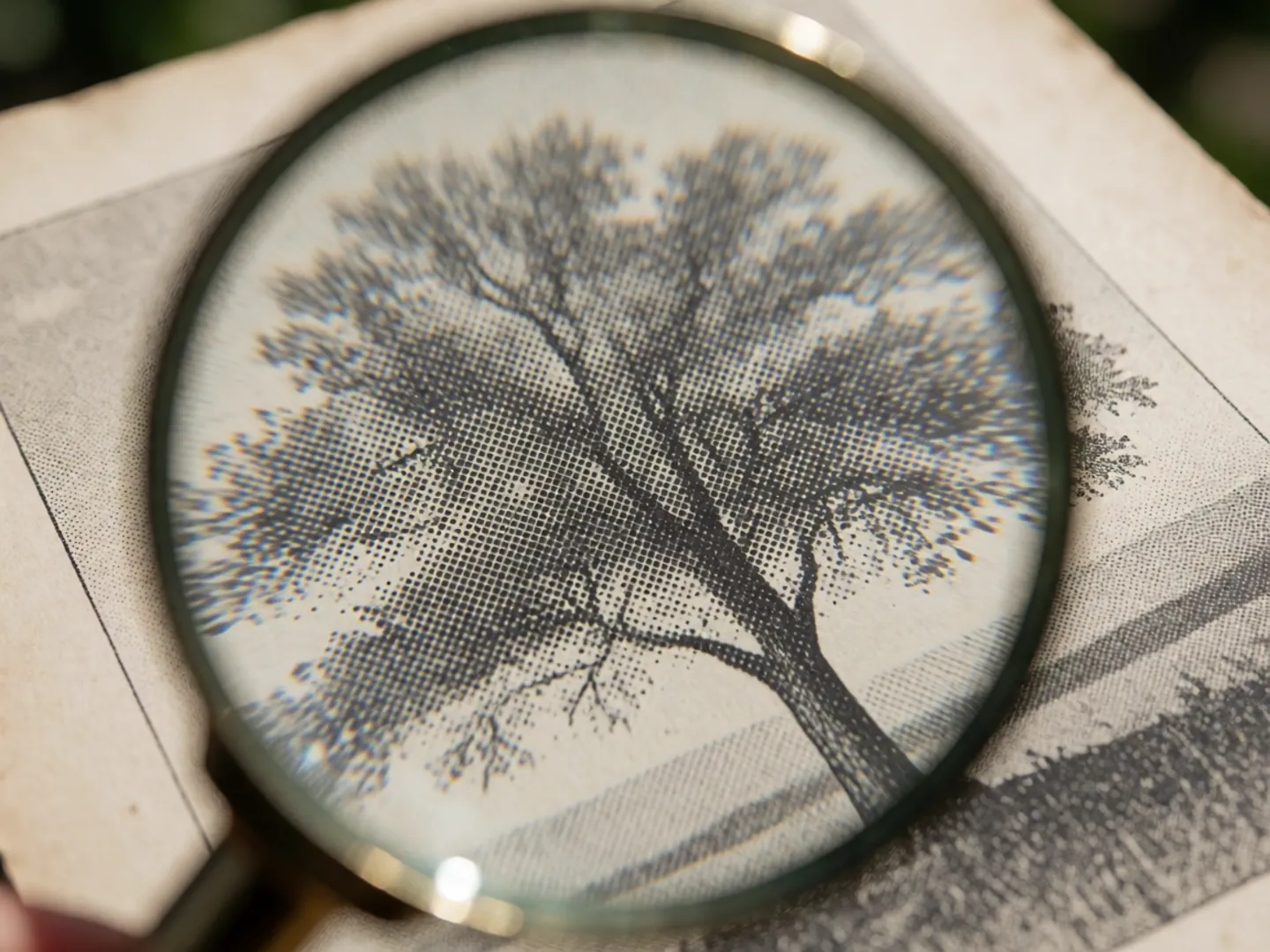
Halftone made photos printable
Halftone breaks a picture into dots of different sizes so a press can print tones. Halftone blocks became regular in popular journals in the early 1890s.
Pick an eraA SHORT HISTORY OF COVER DESIGN
A magazine cover is a small poster with one job: be picked up.
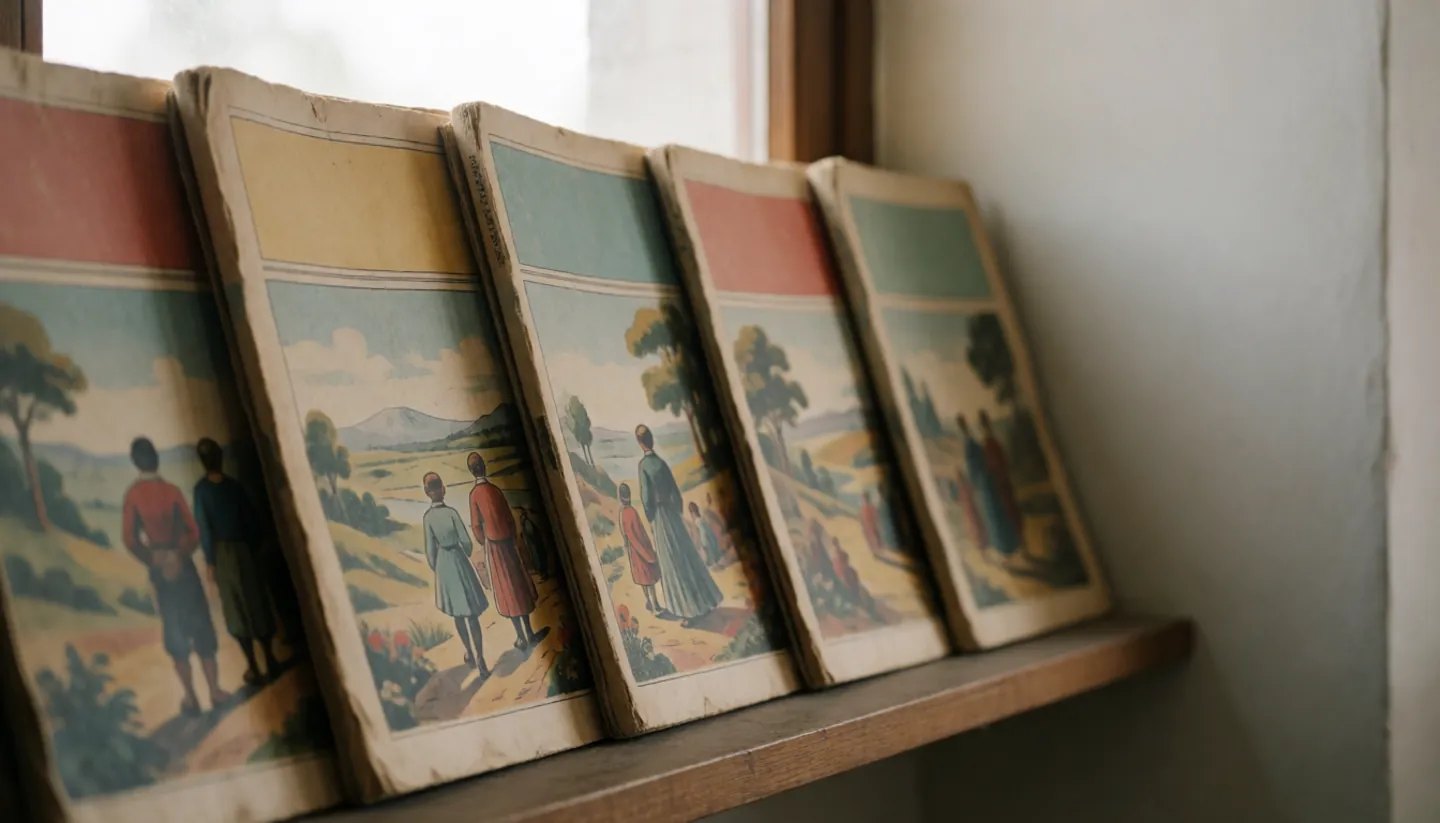
For a century its look followed what printers could do: engraved lines, then halftone dots, then limited colour, then full-colour photographs. Design fashions followed too, from framed paintings with no words to covers packed with headlines. This independent guide traces how the cover changed.
PRINT FIRST then the picture
THE SHORT ANSWER
Cover design tracked printing technology
and then the competition on the news-stand.
DOTS
Halftone breaks a picture into dots of different sizes so a press can print tones. Halftone blocks became regular in popular journals in the early 1890s.
Pick an eraPAINT
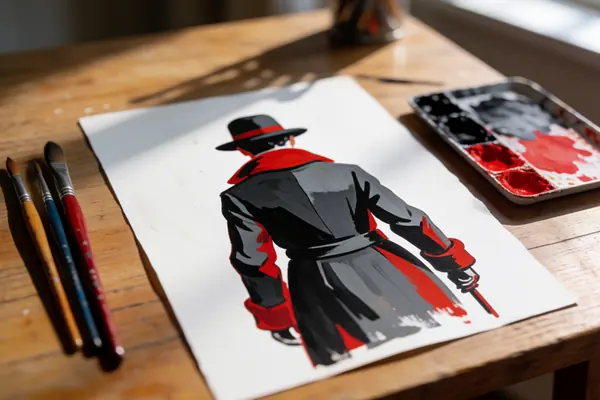
Early covers were often limited to greyscale plus one colour, usually red. Leading illustrators painted hundreds of covers for a single weekly.
See the numbersWORDS
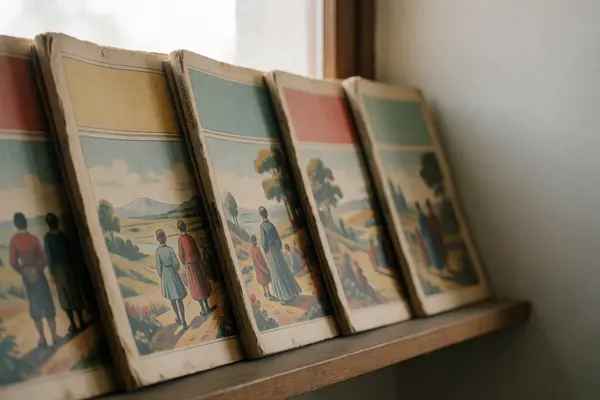
From the mid-1920s to the 1950s many covers were poster covers with few if any cover lines. By 2000, cover lines threatened to dominate the photograph.
Why words wonA QUICK ERA CHECK
Pick a period to see what typically filled a magazine cover and why. The bar shows how much wording the cover usually carried, from almost none to crowded.
Based on Grow (Journal of Magazine and New Media Research, 2002), Art and Object, a V&A collection record and the history of halftone printing.
TWO NUMBERS WORTH KNOWING
The switch from painting to photography
happened fast, and fashion led it.
1932
First full-colour photo cover of a leading fashion monthly
Art and Object says one leading US fashion magazine ran its first full-colour photo cover in July 1932, part of a quick, early shift to photographed covers.
COLOUR PHOTOGRAPHY · ART AND OBJECT
322 covers
Covers by one illustrator for one weekly
J. C. Leyendecker painted 322 covers for a single American weekly, one more than Norman Rockwell's 321 over 47 years.
ILLUSTRATED COVERS · ART AND OBJECT
Grow notes that the first hand-held Leica camera with interchangeable lenses came on the market in 1930, making photographs of many cover subjects widely available for the first time.
FOUR THINGS TO LOOK FOR
Next time you find an old magazine in a charity shop or archive, these clues hint at when it was printed.
Look closely: engraved lines suggest older printing; a pattern of dots means halftone.
Greyscale plus one colour, often red, points to early illustrated covers.
Photographs began to compete with painted covers from the 1930s and soon took over.
A clean poster cover suggests mid-century; a crowd of headlines suggests late century.
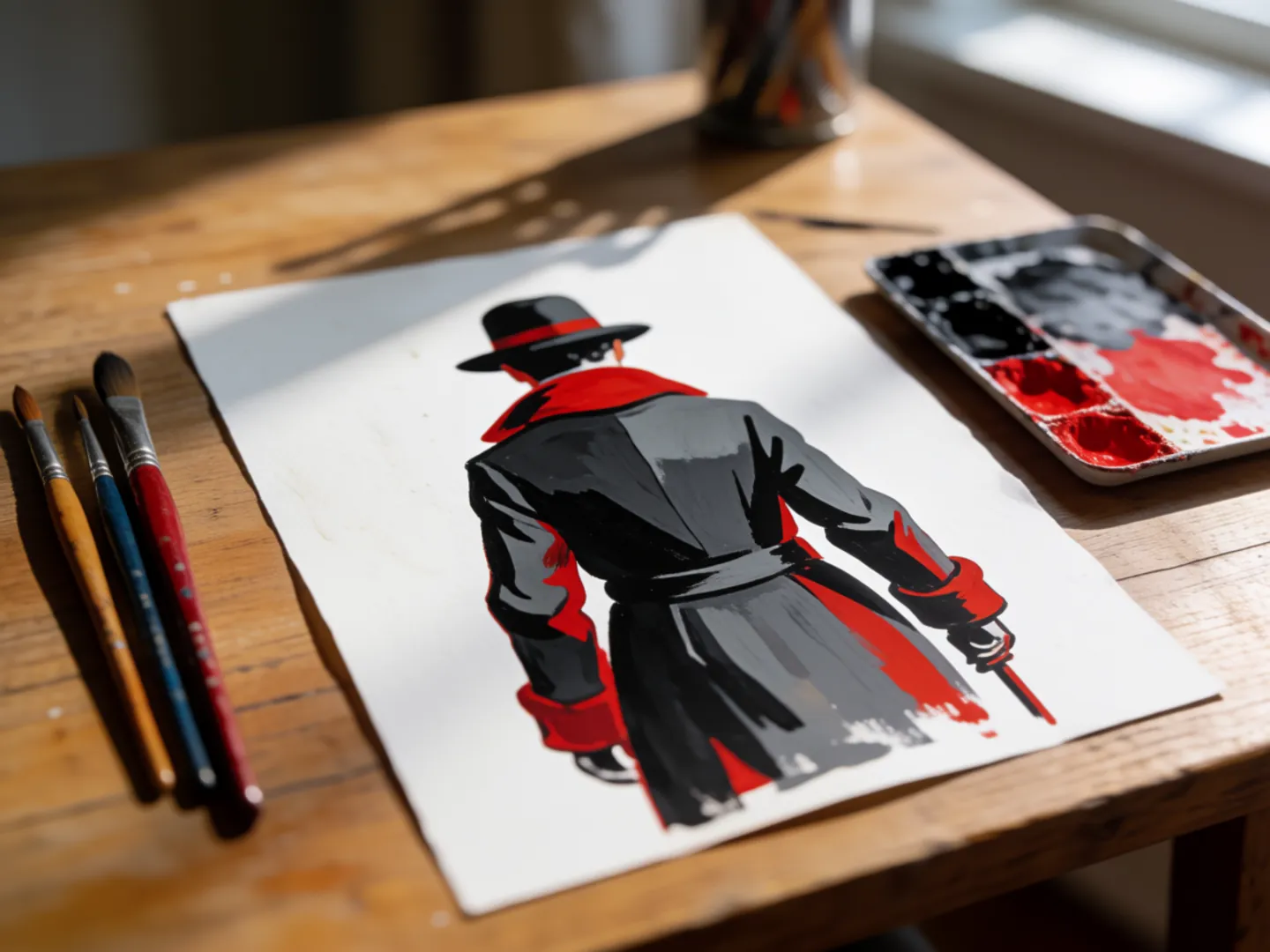
WHY WORDS WON
A poster cover advertises a single theme captured in the picture and says little about what is inside. Grow suggests that when several competing magazines projected similar covers, cover lines helped each one stand out.
Illustration did not vanish. Art and Object notes that demand for illustrators fell by the end of the 1950s as television boomed, yet some magazines still run illustrated covers regularly or for special issues.
Questions
Photographs became printable in quantity with halftone, which was in regular use in popular journals by the early 1890s. Colour photography began competing with illustrated covers in the 1930s; one leading fashion magazine ran its first full-colour photo cover in 1932.
Printing in full colour was expensive. Art and Object says many early illustrators worked with greyscale and one other colour, usually red, sometimes green or orange.
A cover that works like a picture suitable for framing, with few if any cover lines. Grow says this style dominated sophisticated magazine design from the mid-1920s until the 1950s.
The short headlines on a cover that sell what is inside. Over the 20th century their number grew until, by its end, they threatened to dominate the cover photograph.
No. It is an independent informational guide to the history of magazine cover design. The name is used only in its general sense of a magazine cover.
Sources
ABOUT THIS NAME
doodlecovergirl.com is part of the DoodleSale portfolio. It isn't in an auction right now, but you can ask about leasing it.